particle-controlled micronized supplies stable aminolevulinic acid
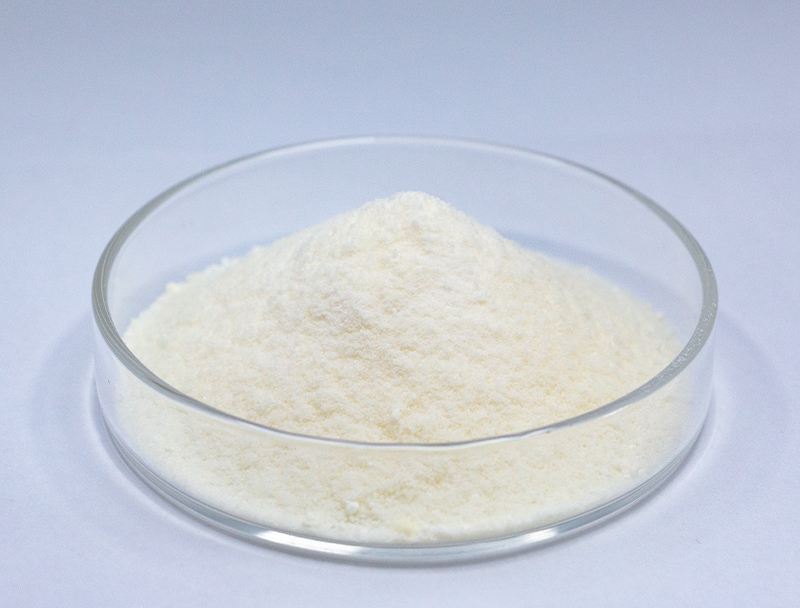
Bioprocessing depends strongly on a substantial range of raw materials to manufacture advanced biological products.
Guaranteeing ethical acquisition of feedstocks remains essential to industry resilience and responsible expansion.
several issues arising from typical material sourcing including carbon-intensive impacts and resource exhaustion. Thus, organizations must explore circular sourcing options to lessen environmental harm.
- Illustrations of eco-conscious sourcing involve:
- Harnessing secondary biomass from farming outputs
- Installing reclamation workflows to diminish waste and heighten recovery
- Working with community-based suppliers that follow ethical standards
The transition to greener sourcing offers both planet-friendly outcomes and business advantages.
Maximizing Feedstock Quality for Increased Biofuel Output
Enhancing biofuel output is grounded in superior feedstock characteristics. Investigators regularly test new routes to upgrade biomass inputs, delivering enhanced conversion and a more resilient energy mix. Efforts pair genetic enhancement for feedstock abundance with advanced pretreatment to produce usable sugars.
- Similarly, research probes algae, byproduct streams, and harvest remnants as potential sustainable sources to augment biofuel feedstocks.
- Via sustained research the industry stands ready to accomplish considerable improvements that enable a greener energy transition.
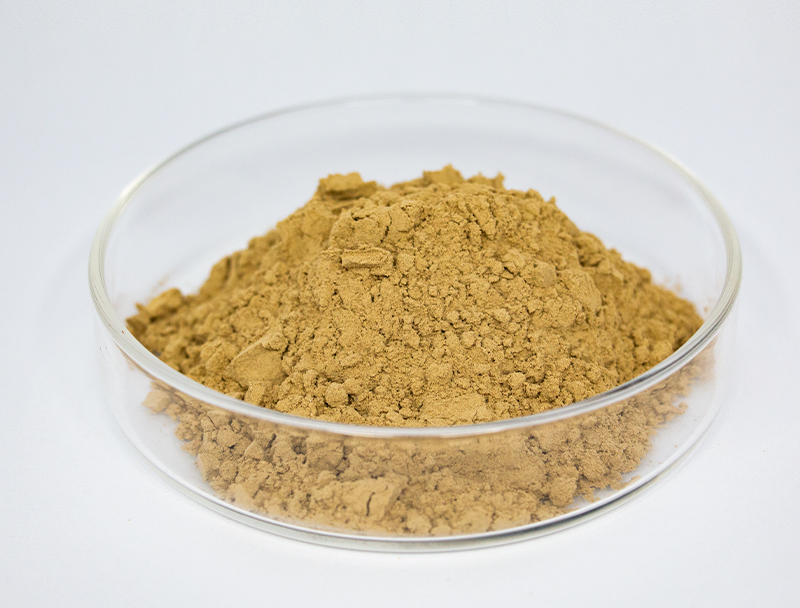
Biopharmaceutical Production: Innovations in Upstream Processes
entails beginning production stages such as cell growth and biomass recovery Contemporary breakthroughs have refined protocols and elevated product throughput.
Crucial progress includes proprietary cell systems, optimized growth media, and adaptive bioreactor architectures. The improvements increase output while decreasing cost structures and sustainability impacts.
- Also, evolving practices favor continuous flow processing which supports more agile upstream control.
- This move toward intelligent production systems is expected to reshape the industry and hasten drug development.

CRISPR and Beyond: Improving Biopharma Production
advances in genomic editing tools including CRISPR have transformed therapeutic manufacturing. By accurate genomic tuning, developers enhance yields of critical biopharmaceuticals. This approach holds immense potential for developing more efficient and affordable biopharmaceuticals to address a wide range of diseases.
Using Microbial Systems for Site-Specific Remediation
advanced microbe-driven remediation methods to treat contaminated sites sustainably. Microbial communities can biotransform hazardous materials into lower-risk substances. By harnessing this natural potential, we can develop environmentally friendly strategies for cleaning up contaminated sites and mitigating the negative impacts of industrial activities.. Laboratories test microbial species for efficacy against metals, pesticide pollutants, and oil-related contamination. The microbes may be applied within engineered reactors or in situ to catalyze pollutant degradation via biotransformation..
The use of microbial biotechnology in bioremediation offers several advantages over conventional methods. The approach tends to lower treatment costs and avoids producing toxic residuals. Furthermore, microbial solutions are highly specific, allowing for the remediation of particular pollutants without disrupting the broader ecosystem. Work in this area evolves rapidly to optimize the success rates and scalability of bioremediation solutions.
Leveraging Bioinformatics for Novel Therapeutics
Bioinformatic tools play an increasingly crucial role in the modern landscape of drug discovery and development. By integrating diverse datasets, bioinformatics enhances candidate identification and therapeutic optimization.
- By parsing huge omics and clinical databases, bioinformaticians detect targets and estimate therapeutic responses.
- In addition, predictive simulations inform medicinal chemistry efforts to craft more efficacious drugs.
- To conclude, computational approaches are revolutionizing discovery and reducing time-to-patient for effective drugs.
Optimizing Metabolism to Increase Bioproduct Production
utilizes multiple approaches to enhance production of desirable bioproducts in cells. Methods might combine targeted gene changes to rechannel flux, regulatory element design to control expression, and exogenous gene introduction to provide fresh capabilities.. By calibrating pathway dynamics and expression levels teams can greatly amplify bioproduct yields.
Such an integrated approach may disrupt diverse fields including therapeutics, crop science, and sustainable fuels.
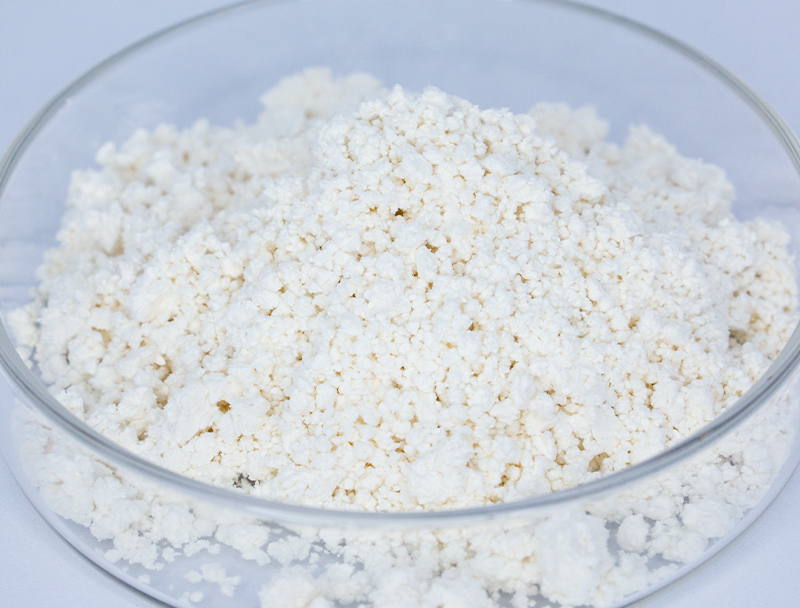
Scaling Biopharma Production: Hurdles and Advantages
Moving from bench to commercial scale creates complex challenges and valuable opportunities. Maintaining consistent product attributes with scale-up remains a central difficulty. Addressing it demands strong process governance, accurate real-time analytics, and advanced measurement systems.

Also challenging is the layered complexity of biomanufacturing encompassing numerous sequential steps.. Converting small-scale procedures to plant-scale operations necessitates extensive innovation and optimization.. Even so, the payoff can be large. Well-executed upscaling can improve therapy access, decrease costs, and enhance economic performance.
Several projects are designed to mitigate these scaling barriers. Plans feature next-gen optimization hardware, sophisticated real-time analytics, and forward-looking production strategies.
- Development efforts are also playing a crucial role in advancing biopharmaceutical production capabilities.
- Regulatory frameworks are being optimized to accommodate novel production technologies and promote innovation.
Navigating the Regulatory Landscape for Biopharmaceuticals: Ensuring Safety and Efficacy
Producing biopharmaceuticals demands comprehensive oversight to guarantee safety and clinical effectiveness. Biologics sourced from living systems pose distinct regulatory and manufacturing complexities versus small-molecule drugs.
Organizations like the FDA and EMA provide essential guidance and set standards for authorizing novel biotherapeutics..
Thorough testing frameworks are compulsory during all stages of development including after market release.. The measures work to spot potential hazards and validate that therapies reach demanding safety levels..
Furthermore, regulatory bodies are constantly evolving their approaches to keep pace with the rapid advancements in biopharmaceutical research.. Measures involve adopting innovative technologies and enabling development acceleration without compromising patient welfare.
Evaluating Plant Biomass for Bioplastic Production
The rising demand for eco-friendly materials fuels R&D on bio-based alternatives. Plant-origin feedstocks converted into bioplastics create promising opportunities for eco-friendly materials. Materials such as starch from corn, cellulose pulp, and sugarcane biomass are convertible into biodegradable polymers that lower plastic waste concerns.
In addition, certain bioplastics match performance of petroplastics, enabling broad applicability in multiple sectors.. Sustained research efforts are necessary to optimize plant feedstocks for mass bioplastic production and enable circularity.
Biotech Contributions to Global Health and Crop Productivity
Biotech innovations hold promise to dramatically impact health and the reliability of food Calcium alpha-ketoglutarate systems. Through advancements in genetic engineering, synthetic biology, and cell therapies, biotechnologists are developing innovative solutions to combat infectious diseases, improve crop yields, and enhance nutritional value.. As an example, crop genetic improvements for pest and stress resistance help boost production and cut dependence on chemical pesticides.. Similarly, biotech contributes advanced vaccines, antimicrobial strategies, and diagnostic techniques crucial for infectious disease management and health advancement.. As innovations mature, biotechnology can provide meaningful contributions toward global health and resilient food supplies for future generations.